



Best Outer Banks rental companies for multi-generational family trips
For a multi-generational Outer Banks trip, the rental company matters almost as much as the town you choose. The ideal week starts with a home that truly fits your group size, bedroom mix, beach routine, and mobility needs, then gets narrowed down to which full-week homes can actually handle grandparents, kids, dogs, and all the gear that comes with them.

How to choose Outer Banks rental companies for multi-generational family trips
Planning Outer Banks rental companies multi-generational family trips usually comes down to five decisions:
- Which company gives you the clearest home details
- Which town fits your pace
- How many bedrooms and shared spaces you need
- Which amenities will make the week easier, and
- How early you need to book
Once you work through those, the search gets much less overwhelming.
The Outer Banks works especially well for extended families because a full-week beach house lets everyone move at their own speed. One group can head to the beach at sunrise, another can linger over coffee on the deck, and grandparents can rest without feeling like the whole day is on a schedule. That is exactly why choosing the right home matters more than simply picking the cheapest listing you see first.
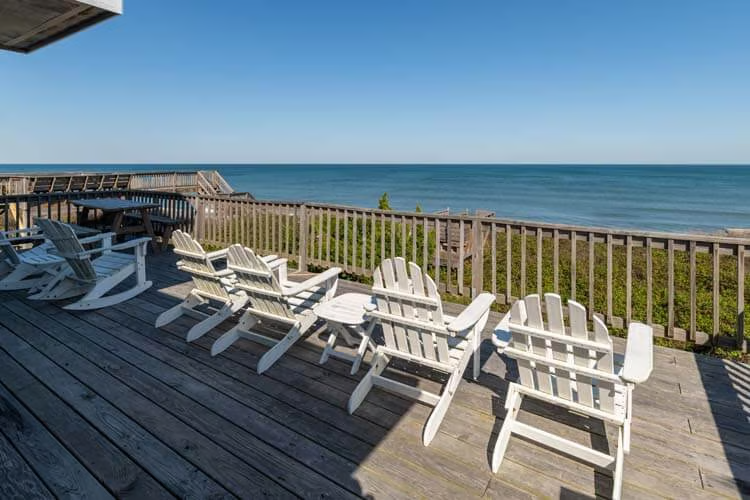
Which Outer Banks rental companies are best for multi-generational family trips?
The best rental companies for large family trips are usually local Outer Banks companies with a strong inventory of weekly homes, detailed amenity filters, and people who can answer practical questions about beach access, stairs, parking, and room layout. For this kind of trip, broad browsing is helpful, but local guidance usually makes the final decision easier.
Our homes start at 4 bedrooms, which already fits many 6 to 10 person groups, and we also offer larger homes suited for 6 to 40+ guests. That includes homes with private pools, elevators, game rooms, and other features that matter when three generations are sharing one roof for a full week. If your group includes grandparents, toddlers, teens, and dogs, those filters save time fast.
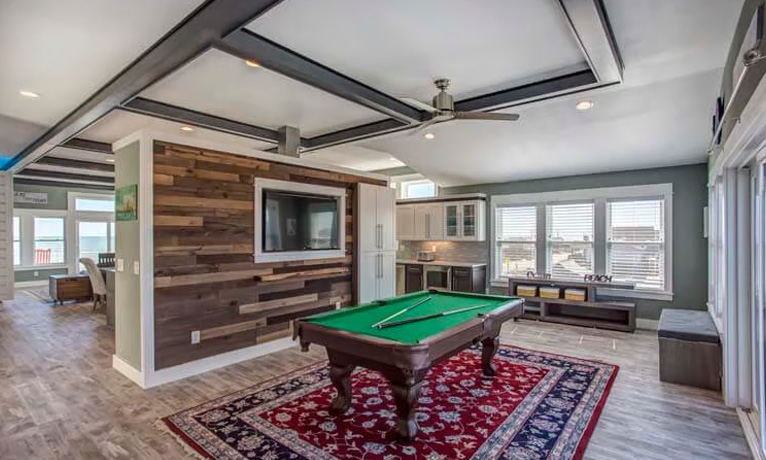
Families often begin on national marketplaces because they want to see a lot of options at once. That is useful for getting a feel for price ranges and town differences, but multi-generational groups usually need more than a quick photo scan. You need to know whether the dining table seats everyone, whether the elevator reaches all levels, whether the beach access has steep dune stairs, and whether a “sleeps 20” layout actually gives adults enough privacy.
Here is the easiest way to compare company types:
- Local rental company: Best for large-home inventory, accurate amenity details, full-week planning, and local support before and during your stay.
- National marketplace: Best for broad browsing and quick price comparison, but you need to review fees, rules, and layout details carefully.
- Direct booking through a local company: Best when you want clearer home descriptions, town-specific guidance, and fewer surprises on arrival.
As you compare companies, look for a few things right away: bedroom filters, bathroom filters, elevator and pool filters, pet friendly options, clear total-cost breakdowns, full-week availability, and useful guidance by town. If a company makes it hard to answer those basics, it will probably be harder to plan the rest of the trip too.
Which Outer Banks town is best for your group: Corolla, Duck, Southern Shores, Kitty Hawk, Kill Devil Hills, or Nags Head?
Corolla works well for big groups because many of the subdivisions were built with large vacation homes in mind. You will find more options with expansive pool areas, several king suites, rec rooms, and decks that actually hold the whole family for sunset drinks or a crab-leg dinner. It also puts you near the Currituck Beach Lighthouse, Whalehead, Historic Corolla Park, and the wild horse tour area, which gives you easy outing options without heading south.

Duck feels more compact and more walkable. If your family likes the idea of parking the car, walking to dinner, strolling the soundside boardwalk after breakfast, or letting different households peel off for ice cream without a big plan, Duck is hard to beat. For many first-time visitors, Duck feels simple in the best way.
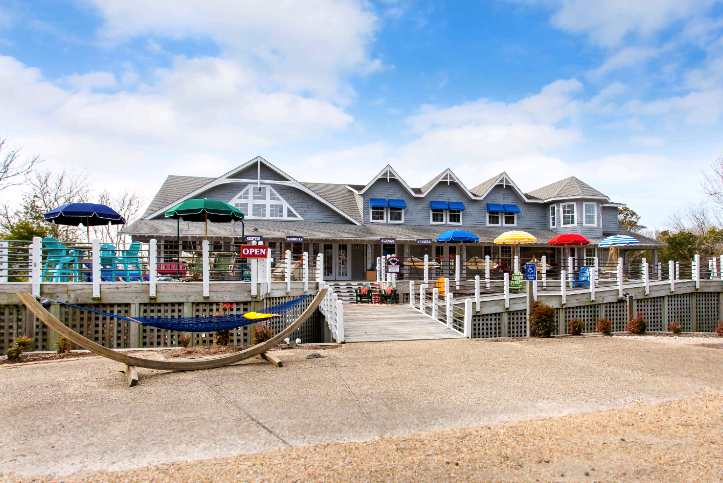
Southern Shores is quieter and more residential, which some families love. It sits closer to the Wright Memorial Bridge than Corolla, so arrival day is a little easier, and it gives you a calmer home base while still keeping Duck and Kitty Hawk close. This is a strong choice if your group wants less village bustle but does not want the longer drive north.

Kitty Hawk and Kill Devil Hills are the most practical towns for many budget-conscious groups. You are closer to groceries, takeout, casual restaurants, beach shops, and central-road convenience, and the drive times for day trips stay manageable. If your plan includes a lot of split-up activities, these towns make it easier because no one feels stuck at the far northern end of NC-12.

Nags Head is a smart choice for families who want classic Outer Banks activities within easy reach. Jockey’s Ridge, Jennette’s Pier, Nags Head Woods Preserve, Manteo, and even a longer day trip toward Hatteras Island all line up well from here. If your family likes to mix beach time with outings, Nags Head often feels like the most balanced base.

For groceries, think practically about where you will stop after the bridge or after check-in. Depending on town, your likely anchors may include Harris Teeter, Food Lion, Publix, or The Fresh Market. For a 20-person week, that first grocery run is not small, so central access can matter almost as much as the view.
What size and layout should a 6 to 20+ person family book?
Start with bedroom count, then check the bed mix, bathroom count, shared-space layout, and whether each generation has enough privacy to actually enjoy the week. Total guest capacity matters, but layout matters more, especially when your group includes early-rising grandparents, napping toddlers, and teens who stay up later than everyone else.
A good starting point looks like this:
- 6 to 10 guests: Usually comfortable in a 4 to 5 bedroom home.
- 10 to 14 guests: Usually better in a 5 to 7 bedroom home with multiple adult suites.
- 14 to 20+ guests: Often needs 8 to 10+ bedrooms, bunk rooms, several bathrooms, large dining areas, and more than one hangout space.
Do not stop at the “sleeps” number. A home can technically sleep 18 and still feel cramped if too many beds are packed into a few rooms or if there is only one real common area. The better question is whether your group can spread out during the parts of the day when not everyone wants to be together.
A few layout terms are worth checking carefully. King suites usually work best for adult couples and grandparents who want privacy. Bunk rooms help with cousins and younger kids. Rec rooms and media rooms give teens and night owls somewhere to go after the little ones are asleep, and top-level great rooms often become the hub for meals, cards, and ocean-view downtime.
Ground-level entries, elevator access, and first-floor suite options matter more than many families expect. After a long beach day, even a healthy grandparent may not want one more stair climb with sand on their feet and a bag of wet towels in hand. Multiple refrigerators, two dishwashers, and enough deck seating can matter just as much as one extra bedroom.
The simplest search method is to filter by bedrooms and guests first, then add elevators, pools, game rooms, and pet friendly rules. That narrows the list to homes that fit your people before you start comparing extras.
Should you choose oceanfront, soundfront, or a home near beach access?
Oceanfront is the easiest choice for beach-heavy families, soundfront is best for calmer water and sunset-centered evenings, and homes near beach access often hit the best balance of price and convenience for larger groups. The right answer depends less on scenery and more on how your family will move through the day.
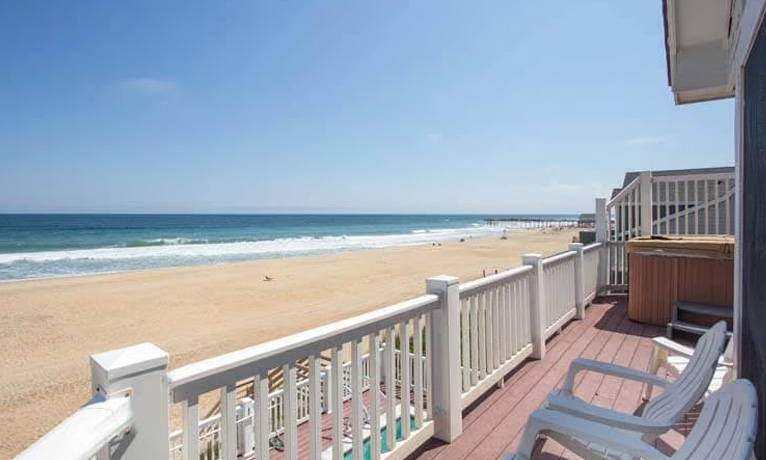
Oceanfront homes are usually the smoothest option with grandparents, toddlers, or a lot of beach gear. If someone heads back for a nap, forgets sunscreen, or wants lunch indoors, that short walk matters. It also cuts down on parking stress and repeated hauling of chairs, toys, coolers, and canopies across hot sand.
Oceanside and semi-oceanfront homes often give you much of the same beach convenience without the highest oceanfront price tag. For many families, this is the sweet spot. You stay close enough for easy morning beach runs but free up budget for a private pool, elevator, or extra bedroom.
Soundfront homes give you a different kind of Outer Banks week. Think sunset decks, calmer water, paddleboarding, kayaking, and quieter evenings with less wind and surf noise. They can be a great fit for groups that want more pool time, more deck time, and less all-day traffic to and from the ocean.
Homes near beach access are worth serious attention for budget-conscious groups. A short walk or quick drive can make a much larger home possible, especially in towns where oceanfront inventory carries a big premium. Just be honest about your group: a five-minute walk feels different when you are carrying a toddler, a beach cart, and six chairs.
Check the map closely every time. “Close to beach” means different things in Corolla, Duck, and Nags Head, and the details matter: public versus private access, dune stairs, parking availability, and how flat or sandy the route is. A home that looks ideal in photos can feel very different once you picture your actual crew making that trip twice a day.
What features should you look for for grandparents, parents, young kids, and dogs?
Prioritize accessibility, easy gathering space, kid-friendly entertainment, outdoor comfort, and clear pet friendly rules. The best home for a multi-generational trip is not the one with the most amenities on paper. It is the one that removes the most daily friction for your specific group.
For grandparents, start with the staircase question. An elevator, a first-floor suite, shaded decks, quiet bedroom placement, and fewer total steps can make the week much easier. Even active grandparents tend to appreciate a layout that does not require repeated climbs between the kitchen, bedrooms, and pool.
Parents usually care most about flow. Multiple king suites help separate households. Laundry, a well-equipped kitchen, outdoor showers, visible pool areas, and strong WiFi all make the week run more smoothly, especially when different families are on slightly different meal and nap schedules.
For young kids, look for bunk rooms, easy beach access, lower-stress dining space, and pool setups that feel manageable. Fenced or gated pool areas, where available, can help with peace of mind. A rec room can also be a lifesaver on a rainy morning when everyone needs somewhere to burn off energy without turning the great room upside down.
Teens usually want a little distance from the adults. A game room, theater room, pool table, strong WiFi, and a secondary living area let them hang out without taking over the main space. That separation tends to make the whole house feel calmer by day three.
If dogs are part of the trip, check the pet friendly rules carefully. You want to confirm dog limits, fees, deck safety, nearby walking routes, and whether there is an outdoor rinse area for sandy paws after the beach. A pet friendly home near a quieter street in Southern Shores or a neighborhood loop in Corolla can make those early-morning walks easier.

High-value group amenities usually include:
- Private pool
- Hot tub
- Elevator
- Game room
- Theater room
- Multiple dishwashers
- Wet bar
- Large dining table
- Outdoor shower
- Several king suites
Not every home will have everything, so rank your list in two columns before you search: must-have and nice-to-have. Then use amenity filters to narrow by elevator, pool, game room, and pet friendly availability first.
Are budget or mid-range rentals available, and how do local agencies compare national companies?
Yes, larger Outer Banks homes exist at a range of price points, especially outside peak summer, away from the oceanfront row, and in central towns like Kitty Hawk, Kill Devil Hills, and Nags Head. The trick is knowing which factors push a home from mid-range into premium territory.
The biggest price drivers are month, town, bedroom count, oceanfront versus soundfront versus interior location, private pool, elevator, and distance to beach access. A 6-bedroom home in Kill Devil Hills near beach access can price very differently from an 8-bedroom oceanfront home in Corolla with a private pool and elevator, even if both fit a large family.
June through August is peak demand, especially for the bigger homes that multi-generational families want. September and October often bring warm water, lighter crowds, and lower rates, which makes fall especially attractive for families without school-calendar constraints. Off-season weeks can be significantly less expensive than peak summer, and that can be the difference between choosing oceanfront and choosing a larger home inland.
When you compare booking channels, keep the math practical:
- Local rental company: Usually strongest for large-home choices, accurate amenity details, local service, and full-week planning support.
- Airbnb or VRBO: Can be useful for browsing, but compare total fees, cancellation terms, support options, parking details, and whether the layout really fits your group.
For a large family trip, value is not just the nightly rate. It is the total cost plus how well the home works for 10 to 20+ people. A slightly higher weekly rate can be worth it if the house gives you one more suite, easier beach access, better pool visibility, or an elevator that saves grandparents from skipping half the trip’s best moments.
What activities work best for a multi-generational family group in the Outer Banks?
The best activities for a multi-generational group are flexible, low-pressure, and easy for different ages to join or skip. The Outer Banks is easiest when you plan one main outing per day, then leave room for pool afternoons, naps, grocery runs, and the spontaneous “let’s just stay at the house” day that almost every family ends up loving.
In Corolla, good group options include the Currituck Beach Lighthouse, Whalehead, Historic Corolla Park, and a wild horse tour. The lighthouse climb is better for active family members, while the park grounds and waterfront views work for people who would rather stroll slowly with coffee in hand. That split-level outing style is exactly what makes Corolla easy for mixed-age groups.
Duck is ideal for lower-effort days. A morning walk through Duck Town Park, time on the soundside boardwalk, a casual lunch, and a group dinner nearby can fill a day without anyone feeling overscheduled. It is one of the best towns for families who want to do something together without turning every outing into a production.
Kill Devil Hills gives you central access to the Wright Brothers National Memorial, Avalon Pier, mini golf, and a long list of casual restaurants. This is useful when cousins want one thing, grandparents want another, and parents just need choices close by. You can split up for a few hours and still reunite easily for dinner.
Nags Head is packed with classic outings that work across ages. Jockey’s Ridge is great in the cooler parts of the day, Jennette’s Pier works for fishing and sightseeing, and Nags Head Woods Preserve offers a quieter trail option that feels worlds away from the beach road. Manteo also makes a good half-day trip when your group wants a change of pace.
For different energy levels, keep a mix on your list:
- Beach mornings and pool afternoons
- Kayaking or paddleboarding on the sound
- Fishing charters for the anglers in the family
- Mini golf for mixed ages
- Lighthouse climbs for active adults and older kids
- Nature trails for slower-paced mornings
- Rainy-day museums and aquarium-style stops farther south if you want a day trip
Season matters too. Summer works best for lifeguarded-beach routines where available and long pool afternoons. Spring is great for biking, walking, and milder midday outings. Fall often lines up well for fishing, easier restaurant access, and warm-water beach days without the peak-summer pace.
How far in advance should you book, and what is the simplest step-by-step planning process?
Large groups should book 9 to 12 months ahead for peak summer, especially if you need 8 to 10+ bedrooms, oceanfront location, an elevator, or a pet friendly stay. January and February are especially busy planning months for spring and summer weeks, so the most in-demand homes do not sit open for long.
If you are traveling in fall or another off-season window, you may have more flexibility and better rates. That can be a smart move for grandparents with open calendars, families planning a reunion, or anyone who wants more home for the money. Travel insurance is also worth considering for an expensive group booking, simply because a full-week beach house for several households is a big shared purchase.
Use this step-by-step process to keep the planning simple:
- Step 1: Confirm exact dates, total guest count, dog count, and who can commit to a full-week stay.
- Step 2: Choose the best town based on your preferred pace, drive time from the bridge, and the day trips your group actually wants to do.
- Step 3: Filter by bedrooms, guests, elevator, pool, game room, and pet friendly rules.
- Step 4: Compare oceanfront, soundfront, and near-beach-access tradeoffs with your real daily routine in mind.
- Step 5: Assign logistics early, including groceries, room assignments, arrival timing, shared meals, and beach gear.
- Step 6: Book once the group agrees on must-have features, total cost, and cancellation terms.
This process works whether you are planning a family reunion in Corolla, a grandparents-and-grandkids week in Duck, a dog-friendly trip in Southern Shores, a budget-conscious stay in Kill Devil Hills, or an activity-heavy first visit based in Nags Head. Once your group is aligned on town, layout, and top amenities, the right home usually becomes obvious. The best Outer Banks week is rarely about picking the fanciest house. It is about matching the company, town, home size, beach position, budget, and activity pace to the way your family actually vacations together.


