



Discover the Best Places to Stay on the Outer Banks
Finding the best places to stay on the Outer Banks depend less on “best overall” and more on matching a traveler’s specific trip style to the right town. This guide breaks down each area’s vibe, beach access, and lodging options so guests can book with confidence. It highlights how Corolla compares with Duck, why Kill Devil Hills and Nags Head make great hubs, and when Hatteras or Ocracoke really shine. Travelers can choose between hotels, inns, campgrounds, and vacation homes, then narrow their search with Carolina Designs Realty.
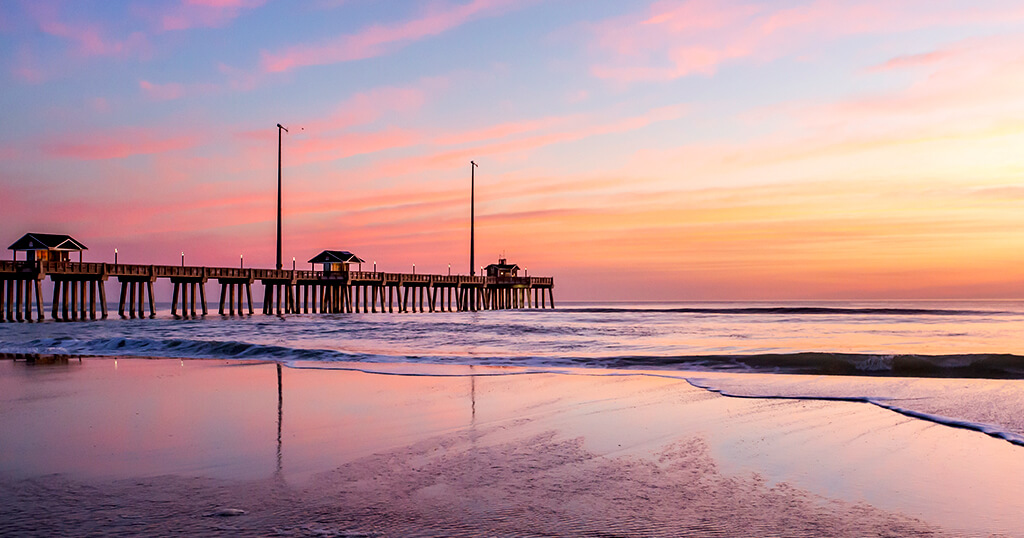
The best places to stay on the Outer Banks (and how to choose the right town)
When planning an OBX trip, travelers should start with their trip style: families, couples, surfers, nightlife seekers, or quiet beach lovers: and match that to the right town. The Outer Banks are barrier islands stretching from Corolla down to Ocracoke, featuring distinct vibes, drive times, and beach access. This guide covers vacation rental homes, Outer Banks hotels and resorts, B&Bs or inns, and campgrounds to show when each makes sense. It is important to cross-check picks with traveler reviews for details like noise, beach access, and parking. While the “Outer Banks” TV drama is a fun reference point, real-life planning is all about miles, bridges, and where guests want to spend their days.
Quick answers: Best OBX areas by trip style
- First-timers: Guests often prefer Kill Devil Hills or Nags Head for central access to sights, broad dining options, and easy beach days. Oceanfront rentals or Outer Banks hotels offer a quick logistics win for this group.
- Families: Corolla works well for wide beaches and large homes, while Nags Head is popular for its piers, dunes, and strong oceanfront choices. Rentals here frequently offer private pools and decks.
- Couples: Duck provides walkable dining and sunsets, while Ocracoke offers village charm. Small inns and B&Bs feel cozy for two, while compact oceanfront rentals work well for privacy.
- Surfers: Hatteras Island is the go-to for consistent breaks and fewer crowds. Surfers can pair a rental home with a gear-friendly setup or find a campground near a favorite access point.
- Nightlife seekers: Kill Devil Hills and Nags Head offer the most bars, live music, and short rideshare distances. Hotels and condos work well for these shorter stays.
- Quiet beach lovers: Northern Corolla and Hatteras Island are ideal for slower nights and open shoreline. Oceanfront homes here deliver private decks and incredible stargazing.
- Upscale travelers: Duck and select areas of Corolla feature polished dining, sidewalks or paths, and high-comfort oceanfront rentals. Hotels in these areas are more limited than in central towns.
The best oceanfront places to stay can mean a balcony and elevators in a hotel, or private decks, pools, and dune walkovers in a home. Travelers can decide which “oceanfront” version fits their preferred pace.
What types of accommodations are available on the Outer Banks?
Visitors can choose among vacation rental homes, condos, Outer Banks hotels, resorts, B&Bs or inns, and campgrounds. Outer Banks resorts and typically mean guests get front desks, daily service, on-site pools, and sometimes dining or event spaces. Hotels can be great for short breaks, while rentals offer kitchens, multi-bedroom flexibility, and private hangout areas. Tradeoffs include privacy and space versus daily service, or elevator access versus stairs. Summer stays book early (often months ahead), while spring and fall shoulder seasons bring better rates and calmer beaches. Carolina Designs Realty specializes in matching guests with a weekly, 4+ bedroom home in the town that fits their vibe and logistics.
Why vacation rental homes feel uniquely “Outer Banks”
A vacation home makes the beach feel personal. Guests have their own kitchen, their own deck, and room for everyone to spread out. Oceanfront rentals can include direct dune walkovers, multiple decks for sunrise coffee, and far less shared space than hotels. These homes shine for multi-generational groups and friends who want flexible meals, nap-friendly bedrooms, game rooms, and spaces for remote work. Travelers can use Carolina Designs Realty to filter by oceanfront, pet friendly, private pool, elevator, number of bedrooms, and town. For those who want sunrise walks and long days by the water, this setup delivers a smooth, live-like-a-local rhythm.
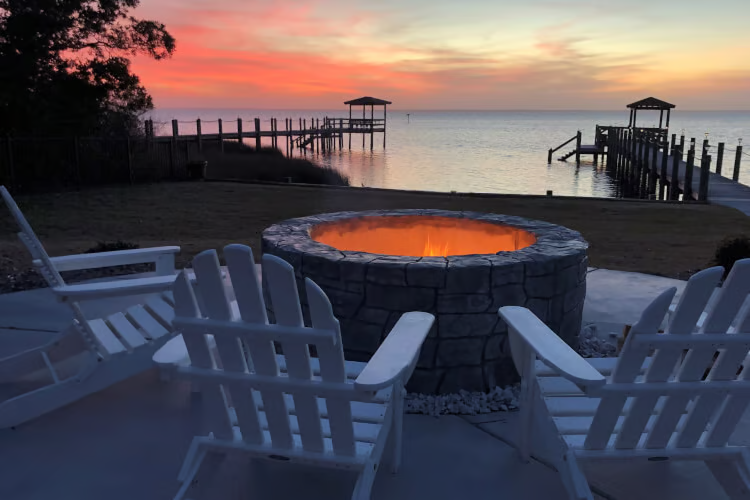
Campgrounds and Outdoor Stays
Campgrounds are clustered around the Cape Hatteras National Seashore, including areas near Oregon Inlet, Hatteras Island villages, and Ocracoke. Options range from tent sites and RV hookups to simple cabins, with amenities like restrooms, showers, and small camp stores varying by location. Planning should account for wind, bugs, and dune protection rules, and guests should map drive times to grocery stores and surf breaks. If heading to Ocracoke, checking ferry schedules in advance is a necessity. Campgrounds fit surfers, anglers, budget travelers, and anyone chasing night skies, often paired with a split stay in a rental for a few comfort-first days.
Best areas to stay for first-time visitors (easy logistics and iconic sights)
First-timers often do well in the central stretch of Kill Devil Hills and Nags Head because grocery runs, dining, and attractions are close by. Guests have easy access to the Wright Brothers National Memorial, Jockey’s Ridge State Park, fishing piers, and quick drives to nearby lighthouses. For lodging, rentals with kitchens and parking reduce friction, while hotels are great for quick weekends. A good rule of thumb is to choose a town just over the bridge, check the grocery distance, confirm nearby beach access points, and note peak-season traffic patterns.
Corolla: Wild horses, wide beaches, and upscale space
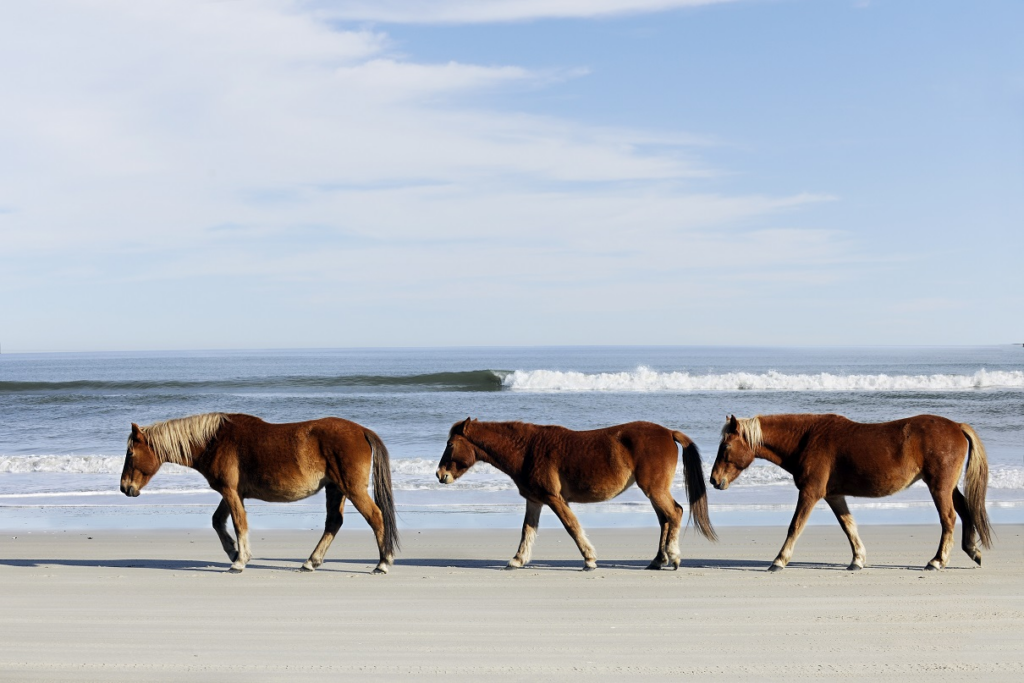
Corolla’s signatures include wild horse tours, the Currituck Beach Lighthouse, and wide, scenic beaches set amid a residential feel. The pros are quiet nights, large homes, and space to breathe; the cons are longer drives and fewer big-box conveniences. It is best for families and groups who want spread-out days and peaceful evenings. Oceanfront stay guidance here leans toward rentals with dune decks, private pools, and direct access. Compared with Duck, Corolla feels more spread out with less village-style walkability but more large-home inventory.
Duck: Walkable, polished, and great for couples plus families
Duck is a polished sweet spot with boardwalks, sidewalks, and clusters of dining and shops along the sound and ocean. Visitors enjoy the walkability, sunset strolls, and excellent restaurants, though they should expect higher demand and rates in peak weeks. It is ideal for those searching for a refined area feel without nightlife chaos. The lodging mix tilts to high-comfort homes and a few smaller inns rather than a large hotel footprint. For those wanting walk-to-dinner ease plus a quiet neighborhood vibe, Duck delivers.
Kill Devil Hills: Central, convenient, and great value
Kill Devil Hills sits in the middle of everything, with lots of restaurants, beach accesses, and easy routes north or south. The pros are convenience and generally wider price variety, while the cons are busier roads and a less secluded feel than Corolla or Hatteras. It is great for first trips, short stays, and groups weighing Outer Banks hotels against rentals. Lodging options include Outer Banks Family Hotels, condos, and a range of rentals. Travelers can skim reviews for notes on parking, beach access distances, and road noise.
Nags Head: Classic OBX energy, dunes, and strong oceanfront options
Nags Head offers classic OBX: Jockey’s Ridge State Park, fishing piers, and long, sandy beaches with plenty of activity. Guests have excellent oceanfront choices and dining, though they should be prepared for heavier traffic in peak season near popular corridors. It suits active families, surfers, and anglers who want a beach town vibe. Oceanfront here can mean a hotel balcony by a pier, or a rental with decks, a hot tub, and space for a group to spread out. Carolina Designs Realty homes in this area include oceanfront, pet friendly, and private pool options.
Hatteras Island: Uncrowded beaches, watersports, and true escape
Hatteras Island feels remote and nature-forward, featuring big beaches and a laid-back string of villages. The pros are the quiet shoreline, strong surf and fishing culture, and sky-filled nights; the cons are longer drives to central attractions and fewer late-night options. It is best for surfers, anglers, or repeat visitors prioritizing quiet beach days over a restaurant crawl. Lodging skews to rentals, with small inns and campgrounds supporting outdoors-first trips. Grocery runs should be planned strategically, and travelers should stay flexible with weather or ferry changes when continuing toward Ocracoke.
Ocracoke: Ferry-only charm and a one-of-a-kind island vibe
Getting to Ocracoke by ferry sets a slower, more intentional tone. Visitors enjoy bikeable lanes, walkable dining, and the feeling of being truly away, but they should account for extra travel time and the need for flexible plans. It is great for explorers who love a distinct island experience. Lodging leans toward small inns, B&B-style stays, and a few cottage-like options. Many guests consider a split stay: a few nights central for easy sightseeing, then Ocracoke for a peaceful finish.
Corolla vs Duck vs Kill Devil Hills vs Nags Head vs Hatteras and Ocracoke: pros and cons at a glance
When picking quickly, travelers can match the towns to how they want their days to feel. Here is a quick framework:
- Corolla: Wide beaches and residential quiet; fewer big-box stores and longer drives. Best for families and groups who want space and relaxed evenings.
- Duck: Walkable dining and boardwalk charm; books fast and can cost more in peak weeks. Best for those seeking a polished, refined feel.
- Kill Devil Hills: Central, convenient, and value-friendly; busier roads and less seclusion. Best for first-timers and quick trips with varied interests.
- Nags Head: Classic beach-town energy and strong oceanfront options; heavier peak traffic in some corridors. Best for active families, anglers, and surfers.
- Hatteras and Ocracoke: Quiet, expansive beaches and nature focus; longer drives and limited nightlife. Best for unplugged trips.
If visitors prioritize upscale dining and walkability, they should choose Duck. If they want wide, quiet stretches and large homes, they should choose Corolla. If they want central attractions and easy logistics, Kill Devil Hills or Nags Head are the best picks. For solitude and surf, they should head south.
Where to stay oceanfront: Hotels vs rentals, views, and beach access
An oceanfront stay in a hotel usually means balcony views, elevators, and often indoor or heated pools that extend the shoulder seasons. Oceanfront in a rental means private decks, dune walkovers, hot tubs or pools, and space for groups to spread out. Guests should verify beach access in listings by looking for terms like direct dune crossover, private walkover, and the exact distance to the beach or nearest public access. Reading traveler reviews helps confirm whether “oceanfront” truly delivers the expected views and identifies potential issues with parking or noise. With Carolina Designs Realty, travelers can filter specifically for oceanfront homes to ensure the access meets their expectations.
Where to stay for upscale amenities, walkability, and dining
When upscale amenities and dining lead the decision, Duck and select parts of Corolla are the primary choices. On the Outer Banks, “nicest” usually means larger homes, curated dining, sidewalks or paths for strolling, soundside sunsets, and quiet residential streets. For those who still want a hotel, the Best Outer Banks Resorts and Hotels lists provide amenities, but many find a home gives them resort-level comfort privately. An amenity checklist should include: dining density, sidewalks and bike paths, beach access quality, and nearby spa or day amenities. These areas are a sweet spot for couples, food-focused trips, and multi-family groups.
Where to stay for easiest access to top attractions (lighthouses, dunes, Wright Brothers, wild horses)
Guests should match their town to the highlight they are most excited about. For the Wright Brothers National Memorial, Kill Devil Hills is the place to stay; for Jockey’s Ridge dunes and piers, Nags Head is the hub. For wild horses and the Currituck Beach Lighthouse, travelers should base themselves in Corolla. For the Cape Hatteras Lighthouse and world-class shoreline, Hatteras Island is the choice; for village charm and farther-flung exploration, Ocracoke is the destination. Central stays reduce daily drive time for those who want to see a little of everything. Planning around parking hot spots and peak-season traffic near bridges is also recommended.
How travelers can use reviews to pick the right stay (without getting misled)
Traveler reviews help guests separate marketing from reality. They can scan for repeated notes about cleanliness, accurate beach-access descriptions, parking availability, elevator reliability, and response to maintenance requests. Green flags are consistent praise for beach access and noise levels; red flags are recurring complaints about parking, thin walls, or an “ocean view” that is actually a distant peek. Cross-checking the season is also vital, as a serene winter review may not reflect July crowds. Finally, visitors should line up town realities: central roads buzz more, while the north and south skew quiet after dark.
A note on the “Outer Banks” drama series vs the real OBX towns
The “Outer Banks” drama captures an adventurous coastal mood, but the real OBX is a chain of distinct towns connected by bridges, causeways, and a ferry to Ocracoke. Real planning means accounting for drive times, local beach regulations, and where parking fills first on busy days. Once travelers plan around distances, beach rules, and ferry schedules, the trip feels effortless. From there, it is just a matter of choosing the town vibe and the home that fits.
How travelers narrow down Carolina Designs Realty homes by town and trip needs
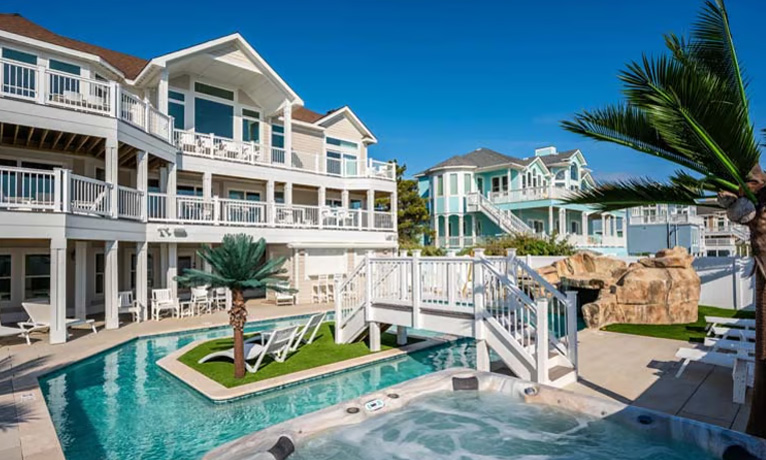
Guests can start with the town that matches their pace: central and easy, walkable and polished, or quiet and remote: then filter for specific features. With Carolina Designs Realty, travelers narrow their options by oceanfront status, private pools, pet friendliness, elevators, bedroom count, and budget. For a family reunion, a large home with a pool near convenient beach access is a common choice; for a couples trip, a smaller oceanfront home close to dining is often preferred. Surfers heading south can find homes with island access and outdoor showers for gear. Homes often deliver the comforts of Outer Banks Resort Accommodations with added privacy. Travelers should also check check-in day patterns, linens and towel details, beach gear policies, and driveway parking for multi-car groups. Starting on town pages and using the map tool helps visualize the upcoming week.
FAQs about the best places to stay on the Outer Banks
- Why do rentals feel uniquely OBX?
Space, kitchens, private decks, and amenities like pools or game rooms make beach life simpler for groups. - Best areas on the Outer Banks for first-timers?
Kill Devil Hills and Nags Head for central access to attractions, dining, and easy beach logistics. - Where should I stay oceanfront on a budget?
Consider central towns for more varied price tiers, look at shoulder seasons, and compare hotel balconies vs smaller oceanfront homes. - When’s the best time to visit the Outer Banks?
Late May–June brings warming water; September offers warm water with fewer crowds; October–early November often brings value and mild days. Winter is quietest and most budget-friendly for peaceful walks and hot-tub evenings. - When should I book my vacation rental?
For summer, I book months ahead; for shoulder seasons, I still plan early for oceanfront. - Which OBX towns are most walkable?
Duck offers the best dining-and-boardwalk walkability, while central towns have plenty of sidewalks and short drives. - Any tips for traffic and parking?
Arrive earlier on turnover days, watch bridge backups, and confirm parking details in your booking.
Picking the right OBX town so your vacation feels effortless
The best places to stay on the Outer Banks depend on how you want your days to feel, central and easy (Kill Devil Hills, Nags Head), walkable and polished (Duck), spacious and quiet (Corolla), or wild and remote (Hatteras/Ocracoke). Decide your pace, must-have amenities, top attractions, and preferred lodging style, then lock in the town that fits. From there, explore Carolina Designs Realty homes by town and filters to find an oceanfront or near-ocean match that suits your crew. There’s no single best, just the best for you. I’m excited to help you land the right spot and start counting down to the beach.
Sources
- Outer Banks Travel Guide: What to Do and Where to Stay
- The Best Places to Stay in the Outer Banks
- Outer Banks Vacation Rentals and Lodging
- The Ultimate Guide to the Outer Banks
- Outer Banks: Best Towns to Visit
- Where to Stay in the Outer Banks: A Guide to the Best Areas
- Outer Banks Hotels and Accommodations
- Exploring the Outer Banks: A Guide to the Best Beaches and Towns