



Best Beaches on the Outer Banks
The Outer Banks of North Carolina is home to a 136-mile stretch of beautiful barrier island coastline. With so many unique beach communities, each area offers something special; from wild, untouched shores to lively family-friendly strands. In this post, we’ll explore the best beaches on the Outer Banks and help you decide which OBX beach town fits your vacation style. Whether you’re looking for a quiet getaway, an action-packed beach day, or anything in between, we’ve got you covered in this comprehensive tour of Outer Banks beaches.
The Outer Banks really has it all: pristine national seashore, gentle sound-side waters, bustling piers, and even wild horses roaming the dunes. Below, we answer common questions about OBX beaches so you can find your perfect stretch of sand. Let’s dive in!
Which are the best beaches in the Outer Banks (OBX) along the 136-mile coastline?
It’s hard to choose the “best” because each OBX beach has its own charm. From the northern 4×4 shores down to the remote southern islands, there’s a perfect beach for everyone. Here are some standout Outer Banks beaches from north to south:
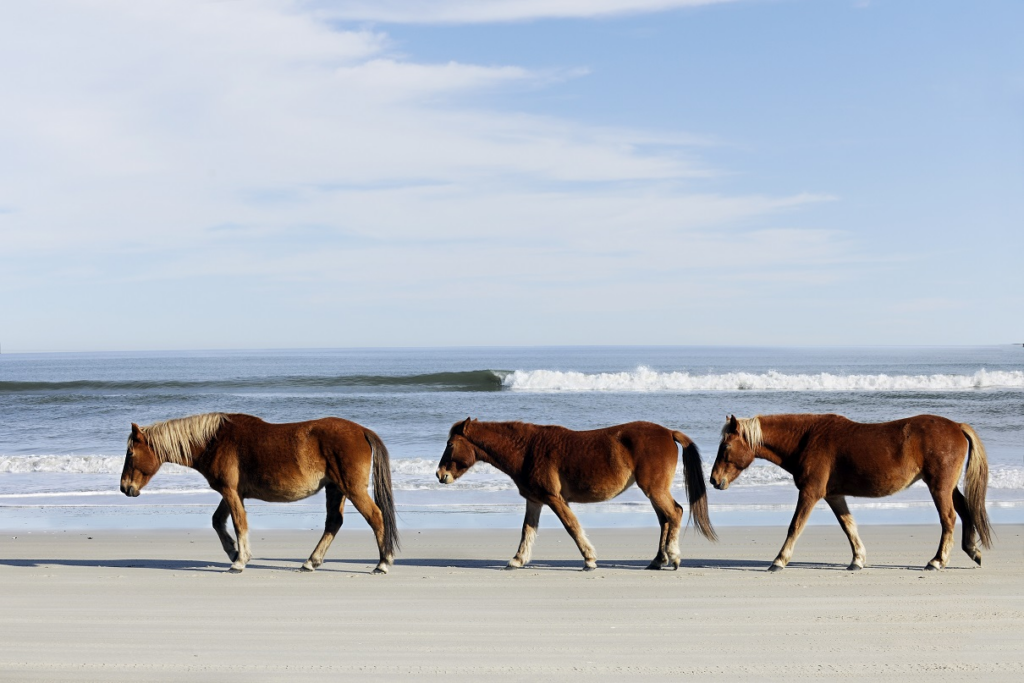
Carova Beaches (4×4 Area): At the northern tip of OBX, Carova is a completely undeveloped beach accessible only by four-wheel-drive. It’s famed for its wild beauty, including the iconic wild horses that often wander the shoreline. If you crave seclusion and adventure, Carova’s secluded dunes and empty sands are hard to beat.
Corolla Beaches: Just south of Carova, Corolla offers wide, soft-sand beaches that are very family-friendly. You get a great mix of natural beauty and convenience here, the beaches are backed by vacation homes and some amenities, but they still feel spacious and uncrowded. Plus, wild horses sometimes roam the northern edges near Corolla, adding a magical touch to a day at the beach.
- Duck Beaches: Duck is known for its tranquil, idyllic beach atmosphere. The town has no public beach accesses (beaches are reserved for those renting or living in Duck), which means the shores here remain quiet with only local residents and guests. If you’re staying in Duck, you’ll enjoy pristine sands and a serene setting perfect for relaxing away from crowds.
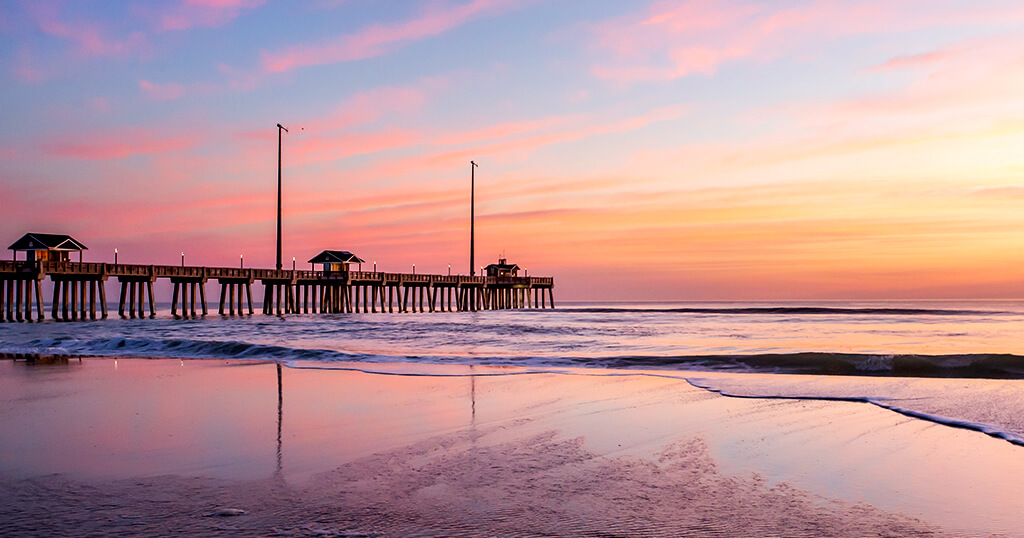
Nags Head & Kill Devil Hills: In the central Outer Banks, Nags Head and Kill Devil Hills share a reputation for classic beach fun. These beaches are wide and clean, with golden sand and rolling dunes. They’re among the best for families and first-time visitors, lifeguards are on duty in season, there are fishing piers (like Jennette’s Pier in Nags Head and Avalon Pier in KDH), and plenty of nearby restaurants, shops, and activities. Jockey’s Ridge State Park in Nags Head (with its giant sand dunes) sits just across the road from the beach, offering amazing views and even hang gliding adventures.
Cape Hatteras (Buxton & Surrounding Beaches): The beaches of Hatteras Island, especially near Cape Hatteras in Buxton, are part of the Cape Hatteras National Seashore and feel beautifully wild. Here you’ll find the famous Cape Hatteras Lighthouse watching over the shore. The beach by the lighthouse (Old Lighthouse Beach) and the Cape Point area boast gorgeous views, excellent surfing conditions, and miles of unspoiled shoreline. This is a must-see for nature lovers and surfers – the waves and vistas at Hatteras are legendary on the East Coast.
Ocracoke Island Beach: Ocracoke is a jewel of the Outer Banks, accessible only by ferry, and its beaches are breathtaking. Ocracoke’s Lifeguarded Beach has been ranked the #1 beach in America by Dr. Beach, a testament to its pristine sand and clear waters. What makes Ocracoke’s beaches special is how untouched and quiet they are; you can often find yourself virtually alone with the sound of the waves. It’s a bit of a journey to get there, but if you love uncrowded natural beaches, Ocracoke is as good as it gets.
Which Outer Banks beach community is best for my vacation style (family-friendly, lively, or quiet/secluded)?
Every Outer Banks town has its own personality. Choosing the best beach community comes down to the vibe you’re looking for on your vacation. Here’s a quick guide by vacation style:
Family-Friendly: For trips with kids (and multi-generational families), the central OBX communities like Kill Devil Hills, Kitty Hawk, and Nags Head are ideal. These areas have lifeguarded beaches in summer, easy public access, and tons of nearby family activities (think mini-golf, go-karts, ice cream shops, and the Wright Brothers Memorial park). Corolla is another family favorite, its beaches are wide with gentle slopes, and there are kid-friendly attractions like the Currituck Beach Lighthouse and wild horse tours. Duck also often ranks as a top family beach town for its safety and cleanliness, but remember that in Duck you’ll need to be staying there to use the beach since there’s no public access. Overall, OBX is very pet friendly and welcoming to families, so you’ll have a great time in any of these family-oriented beach communities.
Lively Beach-Town Vibe: If you want to be “in the middle of the action,” look toward Kill Devil Hills, Nags Head, or Kitty Hawk. These towns form the busiest stretch of the Outer Banks, with the highest concentration of restaurants, shops, tiki bars, and attractions. In the summer the beaches here have a fun energy – you’ll see surfers, beach volleyball games, fishing on the piers, and plenty of fellow sunbathers. The nightlife and live music scene (at beach bars and local breweries) is also the best you’ll find on the OBX in KDH/Nags Head. While the Outer Banks isn’t known for high-rise hotels or boardwalks (it’s more low-key than a place like Myrtle Beach), this central area is as lively as it gets, perfect for those who want a social, activity-filled beach vacation.
Quiet & Secluded: If you’re dreaming of a peaceful retreat, the Outer Banks has plenty of quiet, secluded beaches too. Duck and Southern Shores offer tranquil beaches with no public crowds – ideal if you’re renting a home there and want a nearly private shoreline. For a more remote experience, Hatteras Island villages like Rodanthe, Waves, or Frisco have laid-back, spread-out beaches where you might only see a few people nearby. The ultimate in seclusion is Ocracoke Island or the 4×4 Carova Beach area (more on those below), both provide that “edge of the world” solitude where it’s just you, the sand, and the sea. These spots are perfect for travelers seeking a slower pace and natural beauty without the buzz of tourist activity.
Which Outer Banks beaches are best for families/kids?
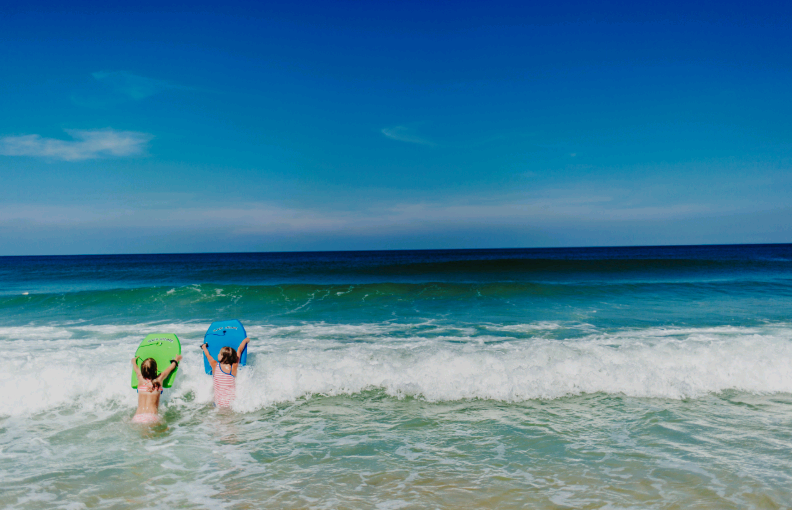
When it comes to family fun, convenience and safety are key. The central Outer Banks beaches tend to be best for families with children. Towns like Kitty Hawk, Kill Devil Hills, and Nags Head have lifeguards on duty during the summer months, which is a big plus for parents. The surf in these areas is usually moderate (especially on calmer days), and the beach accesses often have amenities like parking lots, restrooms, and showers that make a beach day easier with little ones. You’ll also be close to kid-friendly attractions – after some beach time you can take the kids to climb Jockey’s Ridge sand dunes, visit the aquarium in Manteo (just a short drive from Nags Head), or grab a treat at a local ice cream shop.
Corolla is another excellent choice for families. The beaches in Corolla are wide with plenty of room for sandcastle-building and playing frisbee. Kids love activities like visiting the historic Currituck Lighthouse, the Wild Horse Museum, or taking a guided wild horse safari tour to see the Corolla mustangs. Corolla has a very family-oriented feel, with easy beach days and family restaurants nearby.
If your family prefers a quieter setting, Duck is wonderful (if you’re staying there). Duck’s beaches are clean and calm, and since only those renting homes in Duck use them, they never get overcrowded. It’s a very safe environment for kids to splash in the surf under parental supervision, and the town park and sound-side boardwalk in Duck provide additional spots for family strolls and picnics off the beach.
For families with teens or adventurous kiddos, a trip down to Hatteras Island could be great as well. Beaches like Frisco (which faces south) often have gentler waves, making it good for younger swimmers on low surf days. Plus, older kids might enjoy learning to surf or snorkel at some of the calmer Hatteras beaches. Keep in mind Hatteras Island is more removed from the busy towns, so it’s best for families who are okay with fewer entertainment options but more nature.
Which Outer Banks beaches are best if you want a busy, “in the middle of the action” beach-town vibe?
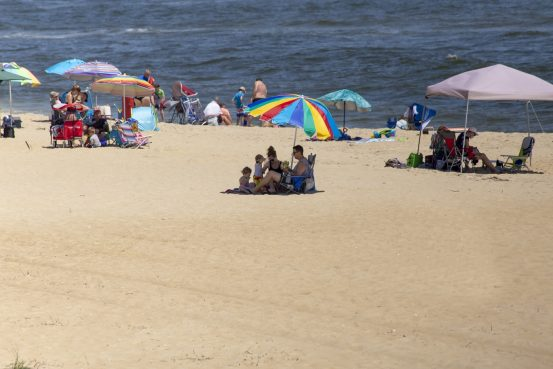
For a lively, upbeat beach vacation, you’ll want to center yourself in the northern central Outer Banks, especially around Kill Devil Hills (KDH) and Nags Head (and to a lesser extent, Kitty Hawk). These adjacent towns form the hub of activity on the OBX. The beaches themselves are popular and can be bustling in summer – you’ll see plenty of umbrellas, beach games, surfers and surf lessons, and families enjoying the scene. There’s a fun mix of locals and visitors, giving the area an energized atmosphere.
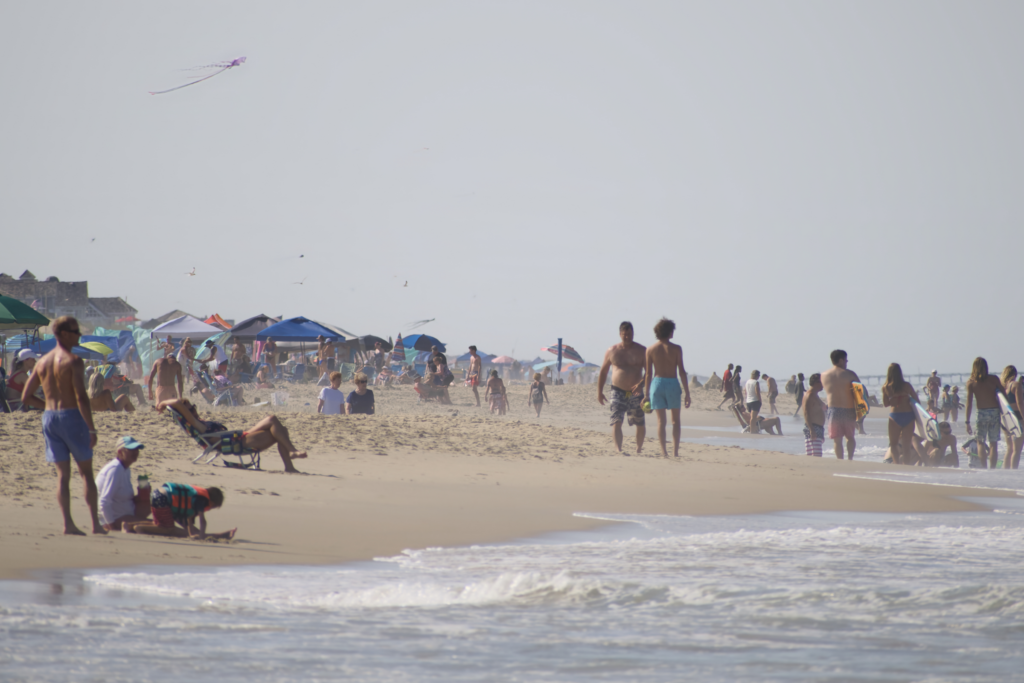
What really defines the “in the middle of the action” vibe is what’s just off the beach. In KDH and Nags Head, you’re never far from a classic beach-town activity. Need a break from the sun? You can walk to get tacos or a cold drink at a nearby beach bar. Want entertainment after dark? This area has the Outer Banks’ small nightlife scene – think oceanfront restaurants with live music, a local brewery (the Outer Banks Brewing Station in KDH is a popular spot), and even an old-school drive-in burger joint on the beach road. During the day, these towns offer mini-golf courses, go-kart racing, souvenir shops, and more, all within a short drive of the sand.
While the Outer Banks doesn’t have boardwalks with arcades or towering hotels, its piers and beach road provide a charming focal point for activity. For example, Avalon Pier in KDH is a local hangout where you can fish or just sightsee, and Jennette’s Pier in Nags Head features an aquarium exhibit and hosts events. The concentration of things to do around these beaches means you can keep everyone entertained. If you love the idea of being steps away from both a sunny beach and a happening beach town environment, Kill Devil Hills or Nags Head will be your happy place on the OBX.
Which Outer Banks beaches are best for quiet, secluded beach time (and fewer crowds)?

If you’re aiming to escape the crowds and enjoy a tranquil beach, the Outer Banks has plenty of options. The most secluded beaches tend to be either at the far ends of the islands or within protected park lands. Here are a few top choices for peace and quiet:
- Ocracoke Island: As one of the most remote parts of the OBX, Ocracoke’s beaches are incredibly quiet. After taking a ferry to the island, you’ll find mile after mile of unspoiled shoreline (much of it part of Cape Hatteras National Seashore). Even in peak summer, Ocracoke’s expansive beach often feels empty – you might have large stretches all to yourself. It’s the kind of place where you bring your cooler and umbrella and settle in with the soothing sound of waves and not much else. No development is visible from the beach, just dunes and sea oats, so the sense of serenity is unparalleled.
- Pea Island National Wildlife Refuge: Located on the northern end of Hatteras Island (between Oregon Inlet and Rodanthe), Pea Island offers undeveloped beaches that are usually very sparsely populated. There are a few parking pull-offs along NC 12, and once you cross the dunes you’re in a world of your own. Bird-watchers love this area, and beachcombers do too – it’s just you, nature, and the Atlantic. There are no lifeguards or facilities here, which is one reason it stays quiet. If being alone with nature is your goal, Pea Island is a hidden gem.
- Carova Beach (4×4 area): In the far north beyond Corolla, Carova was mentioned earlier for its wild feel, and it definitely counts as secluded. With no paved access, only those with 4WD vehicles or those staying in the handful of vacation houses up there will be on the beach. You can drive miles up the strand and pick a spot to set up far from any group. Carova’s beach is so expansive and empty that it’s possible to not see another person in sight, especially in the off-season. The environment is raw and natural – exactly what many seek in a secluded beach experience.
- Duck & Southern Shores: These town beaches are unique in that they’re quiet by design: no public access means only residents and renters use them. If you’re renting a beach home in Duck or Southern Shores, you’ll enjoy a peaceful shoreline with only a few families scattered about (mostly neighbors). There’s a relaxed, almost private vibe as you recognize familiar faces from your rental community. It’s perfect for unwinding with a book or taking an uninterrupted long walk by the water. Just be aware if you’re not lodging in these towns, you won’t be able to access their beaches easily due to parking and access restrictions.
In summary, for the fewest crowds look to Ocracoke, the less-traveled parts of Hatteras Island (like Pea Island or empty stretches between villages), or the exclusive town beaches like Duck. Visiting in shoulder season (spring or fall) can also turn even the busier beaches into secluded-feeling beaches, since overall visitor numbers drop and you might have plenty of sand to yourself!
Which Outer Banks beach is best for seclusion and a “wild,” nature-focused experience (including seeing wild horses)?
For a truly wild, nature-focused beach day, Carova Beach is the top choice. Carova is as secluded and natural as it gets on the Outer Banks. It’s an area with no roads (the beach is the road) and no commercial development – just sandy tracks, dunes, sea grasses, and the occasional beach cottage tucked behind the dunes. This untouched environment is home to the Outer Banks’ famous wild horses. On any given day, you might encounter a small herd of the wild Colonial Spanish mustangs grazing on dune grass or cooling off by the shoreline in Carova. It’s an incredible sight that really makes you feel like you’re in a nature sanctuary by the sea.
Beyond the horses, Carova offers the kind of seclusion where you can hear the wind rustling through the sea oats and virtually nothing else. The stars at night are amazing up there, and during the day you’ll see shells, ghost crabs scuttling in the sand, maybe even dolphins offshore – all with very few other people around. If you value seclusion and want that “wild OBX” experience, Carova Beach is hard to beat. Just remember, you’ll need a 4×4 vehicle to get there and you should come prepared (bring all your supplies, and respect the wildlife by observing from a distance and not feeding the horses).
Which Outer Banks beach is only accessible by 4WD (and where can you see the famous wild horses)?
The only Outer Banks beach that is only accessible by four-wheel-drive is Carova Beach, located north of Corolla in Currituck County. In fact, the paved road (NC 12) literally ends just past Corolla, and beyond that point you drive on the sand to reach Carova. This entire 4WD area spans roughly 8 miles up to the Virginia state line. It’s here in Carova that you can see the Outer Banks’ famous wild horses roaming free. The herd of wild mustangs often wanders the beach and dunes in this region, which is their natural habitat.
Visiting Carova is a unique adventure: you’ll be driving along the beachfront with the ocean on one side and dunes on the other. Keep an eye out for horses relaxing by the water’s edge or munching on sea oats near the dune line. (Pro tip: stay at least 50 feet away from the wild horses for their safety and yours – it’s actually the law, and drones are not allowed either.) Because of the 4WD-only access, Carova remains much less crowded than other beaches and retains an untouched feel. There are no formal facilities or pavement once you start driving on the sand, so plan accordingly. If you don’t have your own 4WD vehicle, you can book a guided wild horse driving tour out of Corolla – these tours take you into Carova to see the horses in their natural setting. Seeing these wild horses against the backdrop of the Atlantic Ocean is a quintessential Outer Banks experience you’ll never forget.
Which towns have the best public beach access and parking options, and what restrictions apply (e.g., Duck and Southern Shores)?
When planning your Outer Banks beach outings, it’s good to know which towns make it easy to access the beach and where you might encounter restrictions. Here’s the rundown:
Best Public Beach Access and Parking: Towns in the central and northern Outer Banks are generally very accommodating to public beachgoers. Nags Head and Kill Devil Hills stand out for providing numerous public beach accesses, many of which come with parking lots (some large, some small), bath houses or restrooms, and showers. For example, Nags Head has several well-maintained public access points like Bonnett Street, Jennette’s Pier, and others. These often have sizable parking areas and amenities.
Kill Devil Hills boasts the most beach accesses overall (dozens of them), including the popular Ocean Bay Blvd access which has a big parking lot, bath house, and even a lifeguard station in season. Kitty Hawk also offers multiple public access points to the beach, though on a smaller scale (parking might be just a small roadside lot or street parking near the dune crossover). The bottom line is that from Kitty Hawk through Nags Head, visitors can easily find a place to park and enjoy the beach, as long as you arrive earlier on busy days to snag a spot.
Heading north, Corolla (in Currituck County) provides some public beach accesses and parking as well. There are public parking areas near Corolla Village (by the lighthouse) that let you access the beach on the other side of the dunes, and other neighborhood accesses in Corolla have limited parking designated for visitors. Corolla’s beach accesses might not be as numerous as in Nags Head/KDH, but they are available and generally free. If one access lot is full, you can often find another not far away (just be respectful of any “Private” community signs and use the clearly marked public areas).
Towns with Restrictions (Duck & Southern Shores): As noted earlier, Duck and Southern Shores are unique in that they do not offer public beach access or public parking for beach visits. These towns have chosen to keep their beaches private for residents and vacation rental guests. In Duck, every beach access you’ll find is privately owned by a community or association, there are no public parking areas by the beach, and you need a neighborhood pass or local permit to use many of the access walkways.
This means if you’re not staying in Duck, you can’t realistically beach there (which is why Duck’s beaches stay much less crowded). The same story applies to Southern Shores, it’s a residential town, and beach accesses are for residents/guests only, often gated or require a pass. There are a couple of civic accesses in Southern Shores, but they require a town parking permit or have extremely limited parking that’s enforced.
What this means for visitors: If you’re renting a home in Duck or Southern Shores, you’ll have access provided by your community (and you’ll likely receive a permit or key if needed for parking lots in the neighborhood). If you’re not staying in those towns but wish to enjoy a beach day there, you’re basically out of luck – instead, plan to go to a beach in a neighboring town that welcomes the public (like Kitty Hawk or Corolla, depending on which side of Duck you’re on). The Outer Banks welcomes visitors broadly, but these two towns are the exceptions where public is restricted. Always observe local signage about parking; in many OBX towns, street parking near accesses is free, but in some private areas or in peak season you might need a permit. When in doubt, use official public lots or ask a local tourism office for guidance.
Finally, Hatteras Island (the southern Outer Banks) mostly consists of villages surrounded by National Seashore. There, you won’t find town-operated beach parking lots as much – instead, the National Park Service provides parking at certain access points. For instance, there’s a paved parking area at the Old Lighthouse Beach in Buxton (by the site of the former Cape Hatteras Lighthouse location) and at the Frisco Beach Access just outside Frisco village, and several others along the island. These are free and open to anyone. Ocracoke Island has a few parking pullouts along NC 12 and a larger parking area at the Ocracoke Lifeguarded Beach day-use area. So, on Hatteras and Ocracoke, beach access is generally public and plentiful, thanks to the National Seashore, but amenities are fewer (usually just a porta-potty or shower here and there).
In short, the most public-friendly beach towns for access/parking are Corolla, Kitty Hawk, Kill Devil Hills, and Nags Head, plus the National Seashore areas on Hatteras Island. Duck and Southern Shores have significant restrictions, so plan around those if you’re a day visitor. Knowing this ahead of time will save you the frustration of driving in circles looking for an access that isn’t there!
Where are the best lifeguarded beaches on the Outer Banks, and when are lifeguards typically on duty?
Staying safe while swimming is easier if you choose beaches that have lifeguards on duty. The good news is that in the Outer Banks, all the major communities and the National Park Service provide lifeguarded beaches during the summer season. “Summer” generally means from Memorial Day weekend through Labor Day.
Northern OBX Town Beaches: In Corolla, Duck, Southern Shores, Kitty Hawk, Kill Devil Hills, and Nags Head, you’ll find lifeguards at many of the popular beach accesses. Lifeguards are typically on duty from around 9:30 AM or 10:00 AM until 5:00 PM (some towns may extend to 5:30 or 6 PM) every day in summer. Kill Devil Hills, for example, has 21 lifeguarded beach accesses – the most of any town – covering a huge portion of its shoreline with lifeguard stands or roving lifeguards. Nags Head also has numerous lifeguarded areas (look for the red-roofed lifeguard stands at major access points). Corolla and Duck have slightly fewer stands, but still cover key spots (Corolla has lifeguards at locations in Whalehead and Ocean Sands sections, etc., and Duck maintains around 6 to 10 stands depending on time of season for its subdivision accesses). Even Southern Shores keeps a couple of lifeguard patrols on their private beaches for residents/guests. The main takeaway is that if you stick to the well-known beaches in these towns during summer days, you’ll likely be near a lifeguard. Always swim near a lifeguard for maximum safety – the lifeguards are constantly watching conditions and can respond quickly if needed.
Cape Hatteras National Seashore Beaches: The National Park Service staffs lifeguards at a few designated beaches along Hatteras and Ocracoke Islands. Specifically, there are lifeguarded beach areas at Coquina Beach (just south of Nags Head on Bodie Island), at the Frisco Beach Access (on Hatteras Island), and at the Ocracoke Lifeguarded Beach (near the Ocracoke day-use area). In the past, there was also a lifeguard beach in Buxton by the old lighthouse site, though availability can change year to year (always check the latest info). The lifeguards at these National Seashore beaches are on duty roughly 9 AM to 5 PM, Memorial Day to Labor Day as well. These spots often have a flag flying when lifeguards are present, so you can easily identify them. For example, Ocracoke’s lifeguarded beach is one of the best – it’s well-protected, and as mentioned, that beach has even been nationally ranked for its beauty.
Regardless of which beach you choose, always heed the beach warning flags and posted signs. A red flag day means no swimming (dangerous surf or rip currents), yellow means use caution, and green means low hazard (though you should still stay aware). Lifeguarded beaches will post these flags prominently. It’s also a great idea to talk to the lifeguard on duty if you have any questions about water conditions – they’re friendly and full of local knowledge on where to swim or play safely on a given day.
In summary, the best lifeguarded beaches are spread throughout the OBX: stick to the main public beaches in Corolla through Nags Head or visit the staffed sections of Cape Hatteras National Seashore. Lifeguards are usually working from late morning until late afternoon all summer long. By choosing a lifeguarded beach, you’re adding an extra layer of safety for you and your family, allowing you to relax and enjoy the ocean with more peace of mind.
Which Outer Banks beach is best for water sports like surfing, kiteboarding/windsurfing, SUP, or hang gliding?
If you’re an adventure seeker or water sports enthusiast, the Outer Banks is like a big playground. Different OBX beaches (and sound areas) are known for different sports, thanks to the variety of conditions here. Here’s a breakdown of the best spots for popular activities:
Surfing: The Outer Banks has some of the East Coast’s best surfing. The crown jewel for surfers is Cape Hatteras, especially near the Cape Hatteras Lighthouse in Buxton. The wave break around the lighthouse (at “The Point” and Old Lighthouse Beach) is famous for its consistent, often larger waves – surfers from all over come here when the swell is good. Another legendary surf spot is the “S-Turns” in Rodanthe, just north of the Pea Island refuge, known for producing great waves (this area can change year to year due to sandbars, but when it’s on, it’s on!).For a more northern option, Kill Devil Hills around the Avalon Pier or Nags Head by Jennette’s Pier can also have very surfable waves, especially during hurricane season or a good offshore wind. In summer, those central beaches often have smaller, gentler waves which are perfect for beginner surfers or kids taking a surf lesson. The beauty of OBX surfing is you can often find a break that works somewhere along the islands depending on wind direction, if the ocean is flat or choppy, sometimes people even surf on the sound side when winds kick up small waves! Overall, though, if we’re naming “best beaches for surfing,” Cape Hatteras (Buxton area) and Rodanthe are top of the list for experienced surfers, while spots like KDH/Nags Head are great for casual surfing fun.
Kiteboarding & Windsurfing: The Outer Banks is internationally known for kiteboarding and windsurfing, primarily because of the amazing conditions on the Pamlico Sound side of the islands. The Canadian Hole (Haulover Day Use Area) between Avon and Buxton on Hatteras Island is a mecca for wind sports, it’s a shallow soundside spot where on a breezy day you’ll see dozens of colorful kites and sails skimming across the water. The water there is warm and only waist-deep in many areas, which is ideal for learners and experts alike (easy to relaunch and not too intimidating). Nearby Cape Point / Frisco soundside also offers great flat-water kiteboarding.In the northern Outer Banks, you can kiteboard on the Currituck Sound or behind Jockey’s Ridge in Nags Head as well, though the wind is generally best down south. There are several kiteboarding schools and outfitters (especially in Hatteras) that offer lessons if you’re new to the sport. If you’re an experienced kiter or windsurfer, you probably already know OBX is famous for its steady winds in spring and fall – it’s a thrill to ride here with the wide open water and beautiful scenery.
SUP (Stand-Up Paddleboarding): For SUP, you’ll want calmer waters. The sound side of the Outer Banks is perfect for stand-up paddleboarding. Places like Kitty Hawk Bay, the Currituck Sound near Duck/Corolla, or the Pamlico Sound near Rodanthe/Avon offer glassy, shallow waters where you can peacefully paddle and maybe spot fish, turtles, or birds. Early morning is often the best time for SUP, when winds are low and the water is flat.You can also SUP in the ocean on very calm days, some people enjoy paddling past the breakers and along the shoreline in Kitty Hawk or Nags Head when the Atlantic decides to lay down a bit. Another cool SUP experience is exploring the coastal creeks and marshes on the sound side (for example, around the Alligator River National Wildlife Refuge on the mainland side or the estuarine reserves near Kitty Hawk). Several local companies offer SUP eco-tours that take you through these quiet waterways. So, the best “beaches” for SUP might actually be launch spots on the sound: check out the public sound accesses like the one in Kitty Hawk (Bob Perry Road sound access) or the Whalehead Club area in Corolla for an easy entry. If ocean SUP is your goal, look for flat days at beaches like Southern Shores or Duck, which have relatively gentle surf when it’s calm (if you have access there), or any ocean beach at sunrise when winds are still.
Hang Gliding: Hang gliding might not be a water sport, but it’s definitely a unique Outer Banks activity worth mentioning! The best place to hang glide on the OBX is at Jockey’s Ridge State Park in Nags Head. Jockey’s Ridge is the tallest natural sand dune system on the East Coast, and it’s home to hang gliding training with instructors (Kitty Hawk Kites is the big outfitter that runs lessons there). Beginners can take a lesson and do tandem or solo beginner glides off the smaller dunes. It’s an incredible experience to run and launch into the air with the dunes and ocean in view, and because you’re landing on soft sand, it’s pretty approachable even for newbies.If you gain more experience or are already a hang glider pilot, Jockey’s Ridge offers opportunities to fly your own rig (with proper permits) in the right wind conditions. There’s nothing like soaring over those golden dunes with the sea breeze. While not a beach per se, Jockey’s Ridge is just across from the Nags Head beachfront, so it’s part of the whole OBX coastal adventure scene. After a morning on the water (surfing or kiteboarding), spending an evening catching air at the dunes is an Outer Banks double-header for the adventurous!
The OBX has specialty spots for each sport: surfers love the Hatteras Island beaches (and some central spots by the piers), kiteboarders and windsurfers flock to the soundside flats of Hatteras, SUPers enjoy the calm sounds and occasional ocean paddle, and hang gliders head to Jockey’s Ridge. Whatever your adrenaline passion, there’s a place on the Outer Banks to do it.